Industry Expertise
Objective experts that work with teams from design to ongoing implementation and emergent events.

SOLUTIONS
The foundation for safe, comprehensive water management.
Water management rooted in safety and compliance.
Objective experts that work with teams from design to ongoing implementation and emergent events.

Integrated capabilities that provide an end-to-end solution.

Efficient program execution that keeps teams focused, collaborating, and spending time where it’s most valuable.

Manage and assess program performance in one place, utilizing phiAnalytics®.
A proven method for aligning with industry, regulatory, and accreditation requirements. These steps are the benchmark for safety and defensibility.

The foundation of any Water Management Program is the team, which should be composed of a multi-disciplinary panel of water safety stakeholders. Being defensible means being comprehensive, and that starts with the team.

Teams should set measurable program goals and review them regularly, taking into account both the organization’s broader priorities and the unique challenges of each facility.

Each facility is unique. Water systems need to be individually surveyed and documented through process flow diagrams. These documents capture how water enters, is processed, and is distributed through different end-use points.

Use system diagrams to assess environmental risk exposure with water-associated hazards: microbial, chemical, and physical. This determines where the program should apply hazard control activities.

Utilize the system analysis to define control measures. This includes, where controls occur, what control limits to apply, and how and when those limits should be monitored.

Defined by ANSI/ASHRAE Std. 188, verification is the initial and ongoing confirmation that the program is being implemented as designed. Routine monitoring provides key documentation for a successfully implemented strategy.
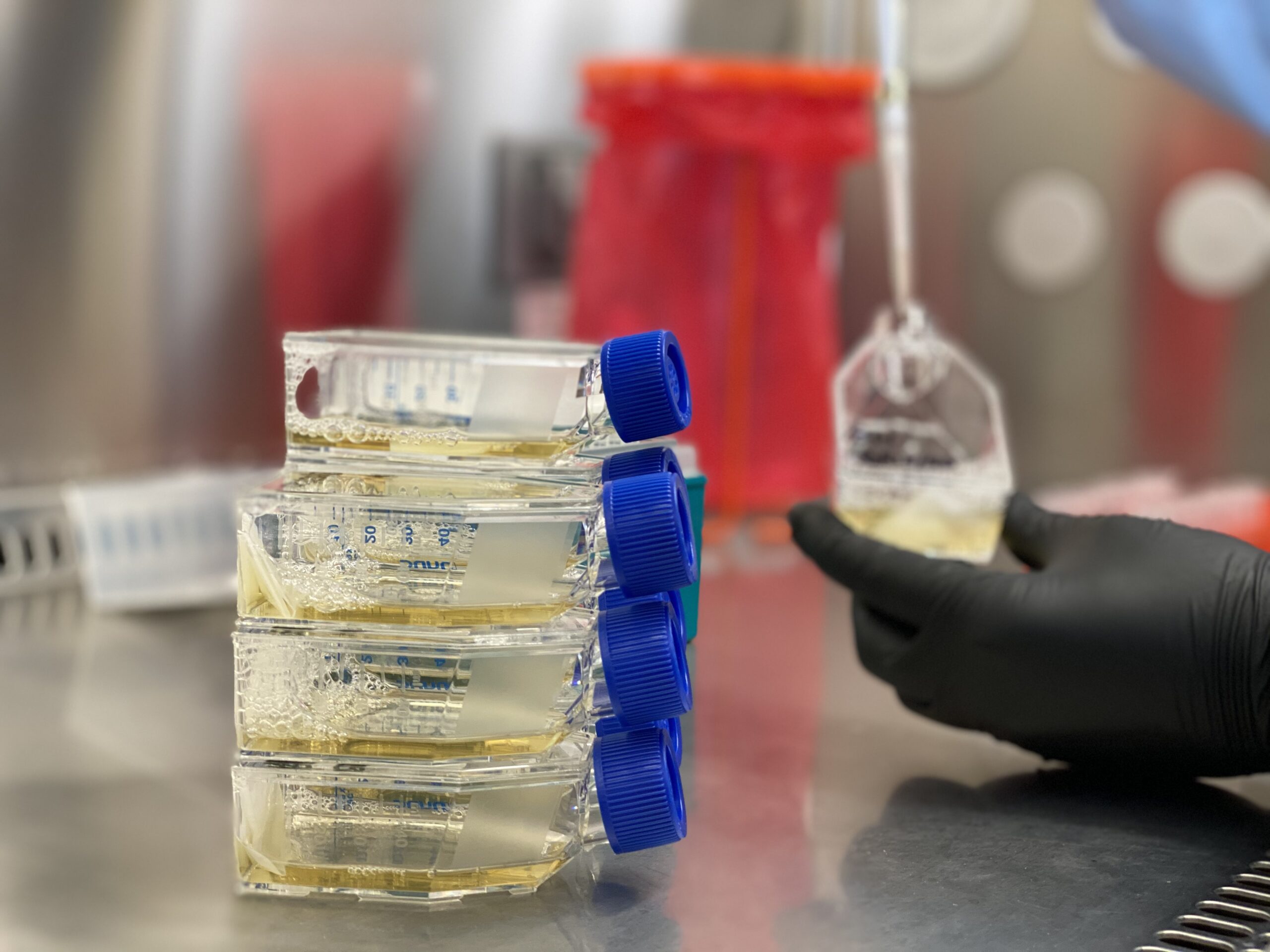
Defined by ANSI/ASHRAE Std. 188, validation is the confirmation that a program is controlling a hazard. Best-in-class programs use environmental testing alongside clinical surveillance to validate program effectiveness.